

latest news
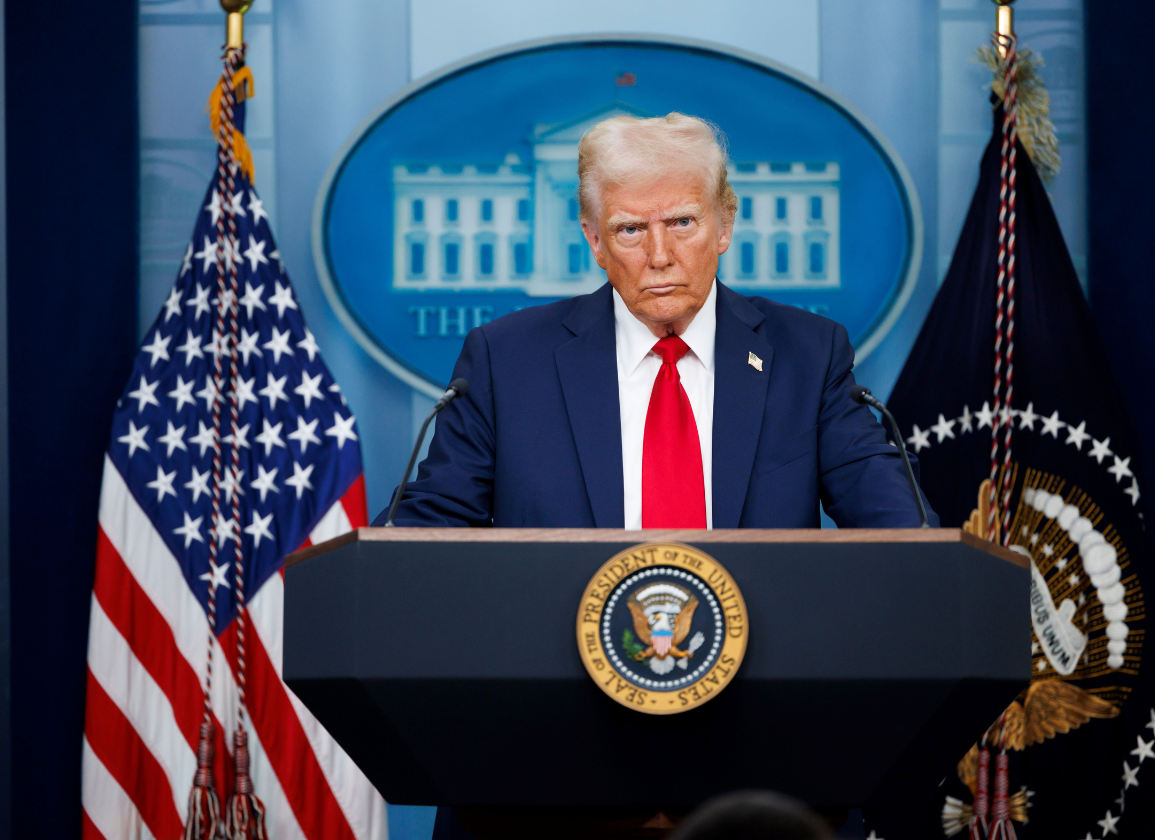
What’s Up With The Endangerment Finding Litigation?
Is the Court of Appeals going to delay the appeal about the Endangerment Finding, so that it can’t be decided by the Supreme Court until after Trump has left office? If that occurs, it would give a potential incoming Democratic administration in 2029 the ability to reverse course on the regulations, says Francis Menton.

No, New York Times, Climate Change Is Not Making Tennis Players Ill
In this article, climate researcher and writer Linnea Lueken examines claims by The New York Times that climate change is making tennis players ill during the French Open. She argues that player health, tournament infrastructure, and individual heat sensitivity provide more plausible explanations than climate change, and that a single heatwave does not constitute evidence of a long-term climate trend.
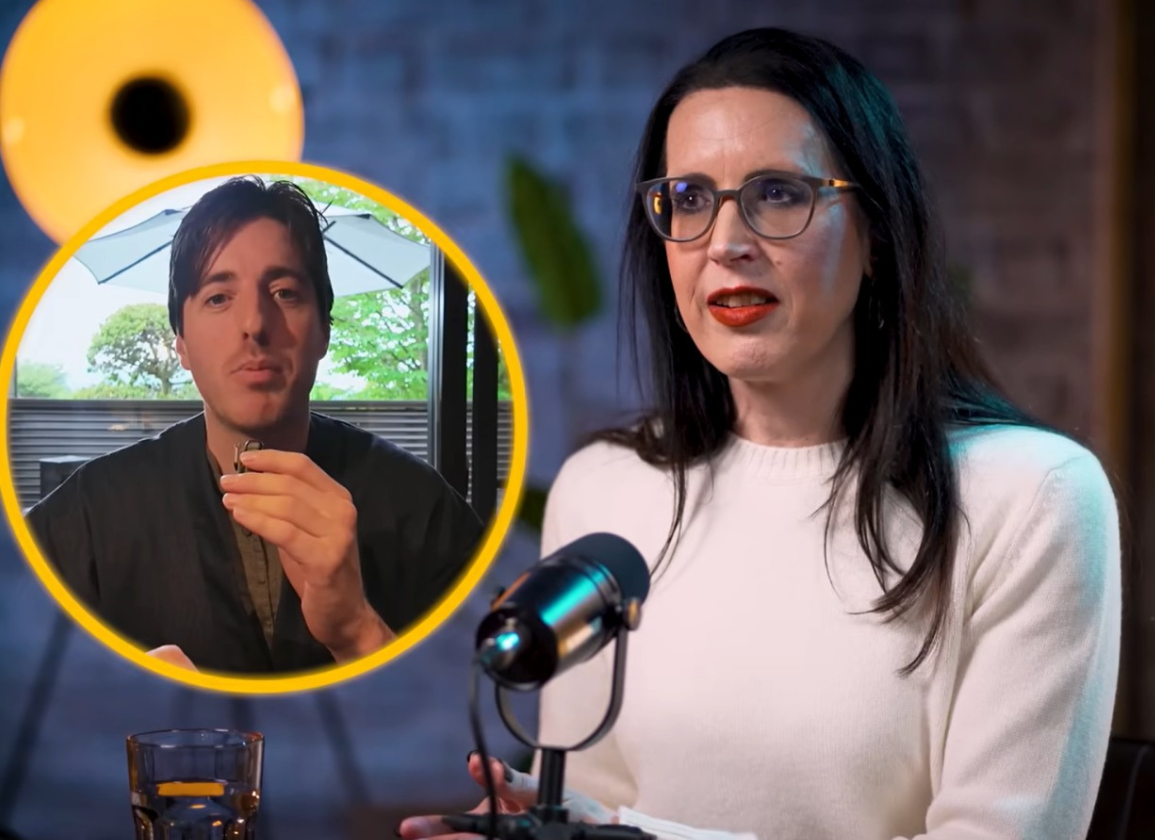
Kathryn Porter: “The whole model is starting to crumble”
Policymakers and media institutions underestimate the dangers created by unreliable energy systems and rising electricity costs, energy analyst Kathryn Porter recently stated on the Heretics podcast. But she thinks the problem is much bigger than that: “Societies entering periods of political and economic stress, often become more authoritarian. The whole model is starting to crumble.”

Matthew Wielicki on Climate Debrief: “The human condition has never been better”
Students were crying during conversations about the future, their fears largely driven by repeated exposure to highly negative messaging about climate change, recalls ‘professor in exile’ Matthew Wielicki on the Climate Debrief Podcast. He encourages young people to approach environmental and climate concerns with balance, optimism, and practical action rather than despair.
| Climate change | 200 |
| Climate policy | 195 |
| Energy transition | 161 |
| CO₂ | 145 |
| Climate Science | 116 |
| IPCC | 74 |
| see more close table | |
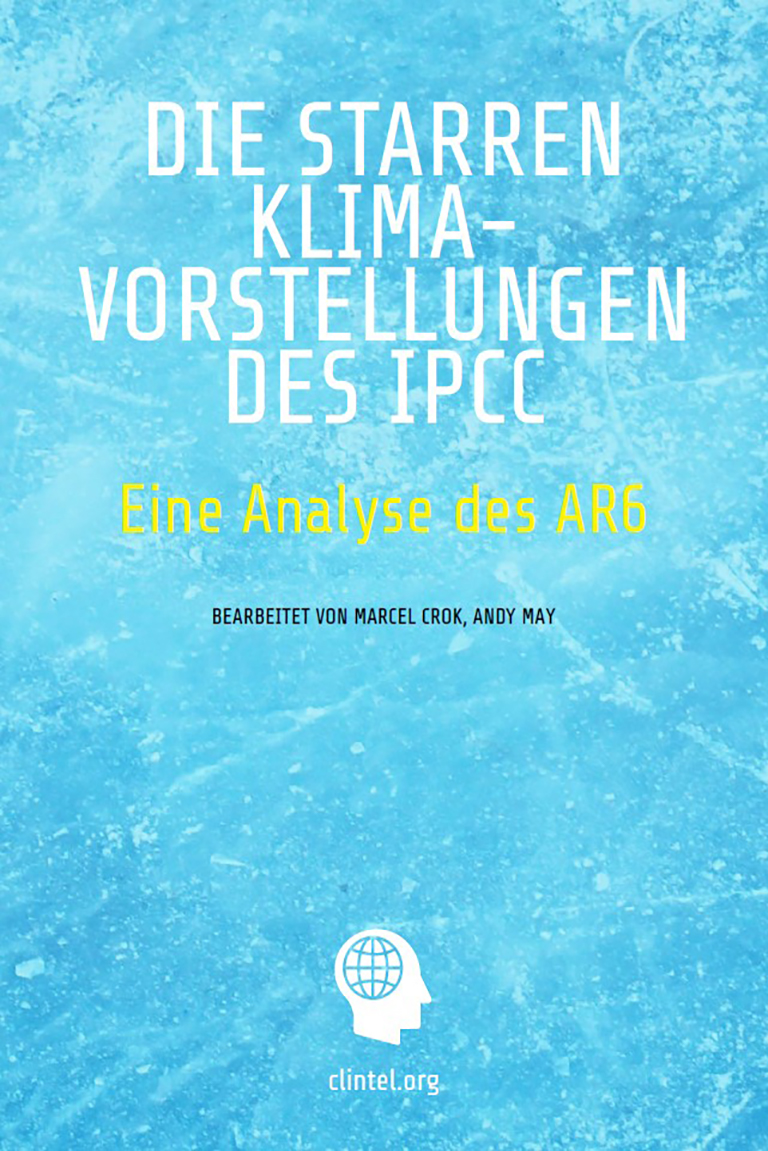
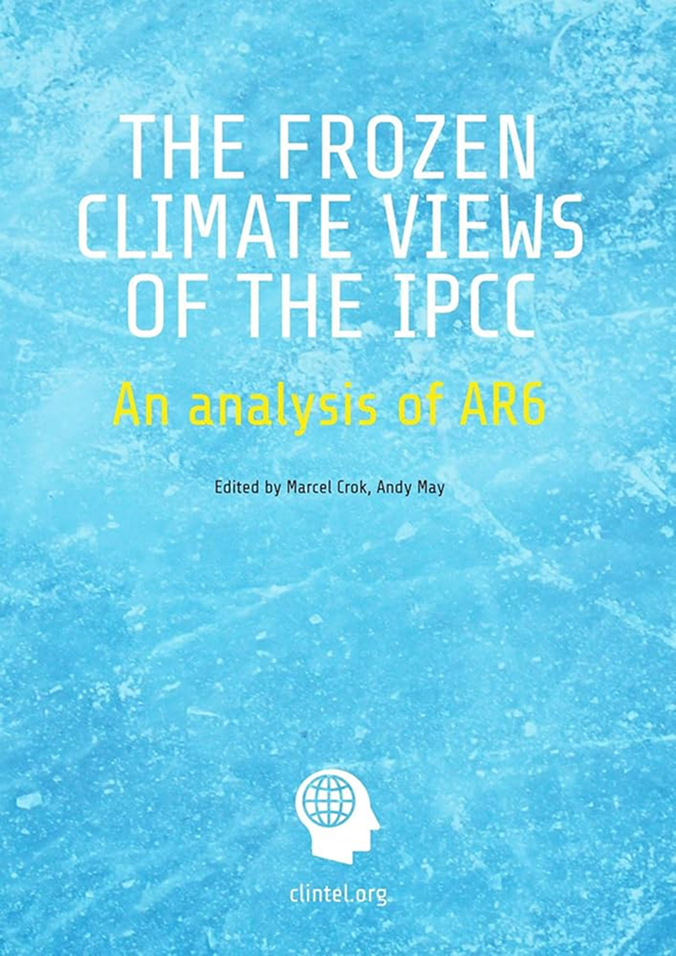
Analysis of IPCC report
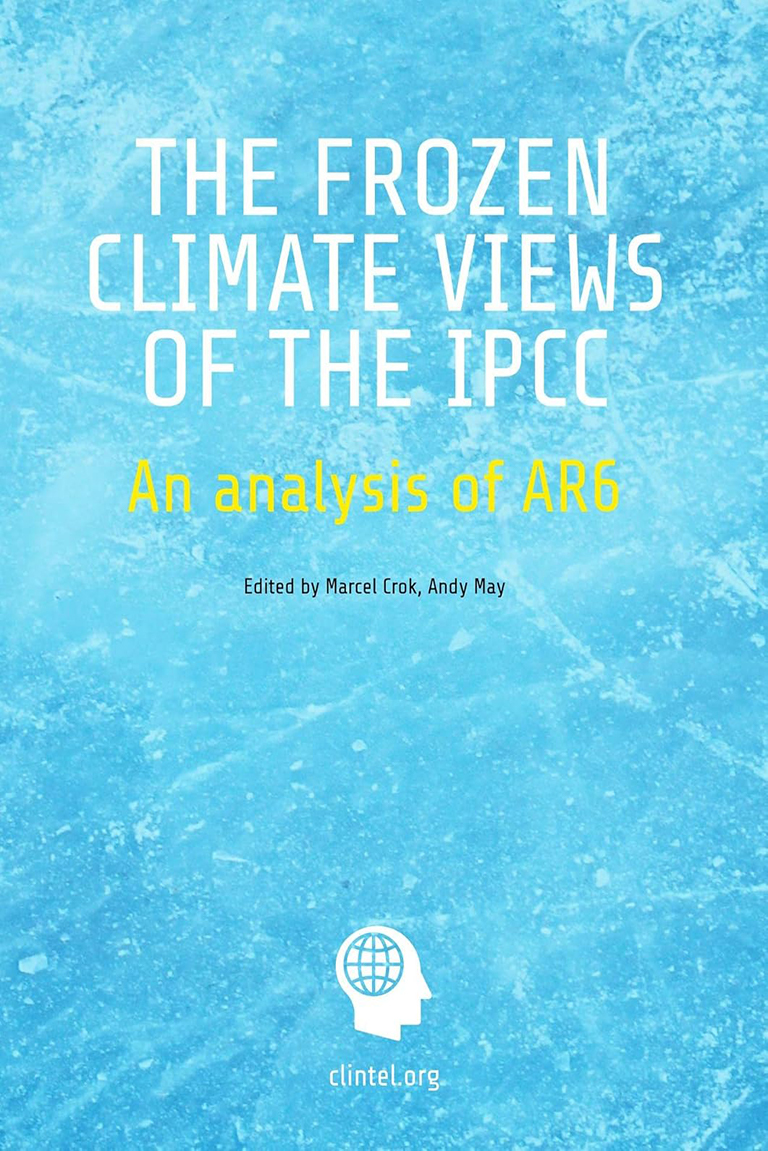
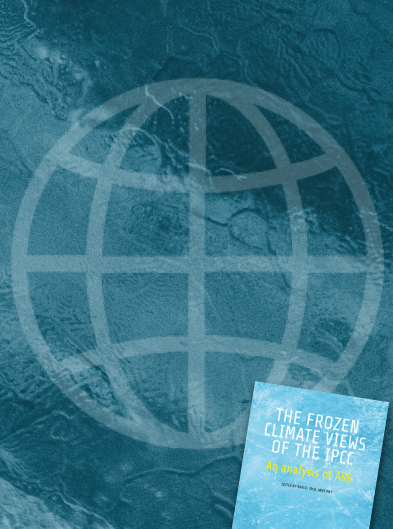
The Frozen Climate Views of the IPCC
The Clintel Foundation has published the book The Frozen Climate Views of the IPCC. It’s by far the most important work of its existence. In thirteen chapters we indicate per theme whether the IPCC has done its work well. In short, we conclude that the IPCC has made several serious mistakes.
ABOUT CLINTEL
Climate Intelligence Foundation
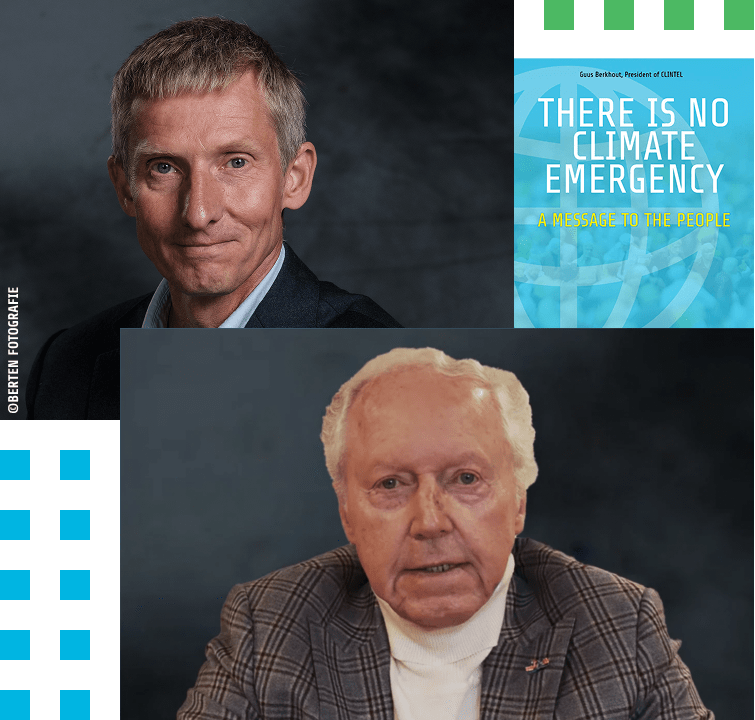
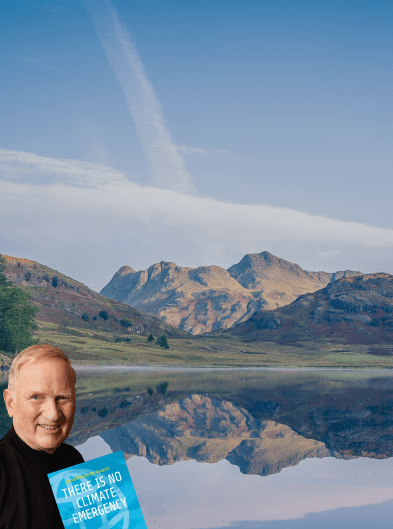
Climate Intelligence (Clintel) is an independent foundation informing people about climate change and climate policies. Clintel was founded in 2019 by emeritus professor of geophysics Guus Berkhout and science journalist Marcel Crok. Clintel’s main objective is to generate knowledge and understanding of the causes and effects of climate change as well as the effects of climate policy on the economy and the environment.
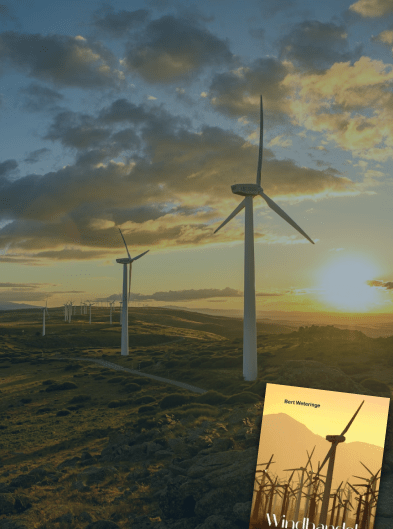
latest news
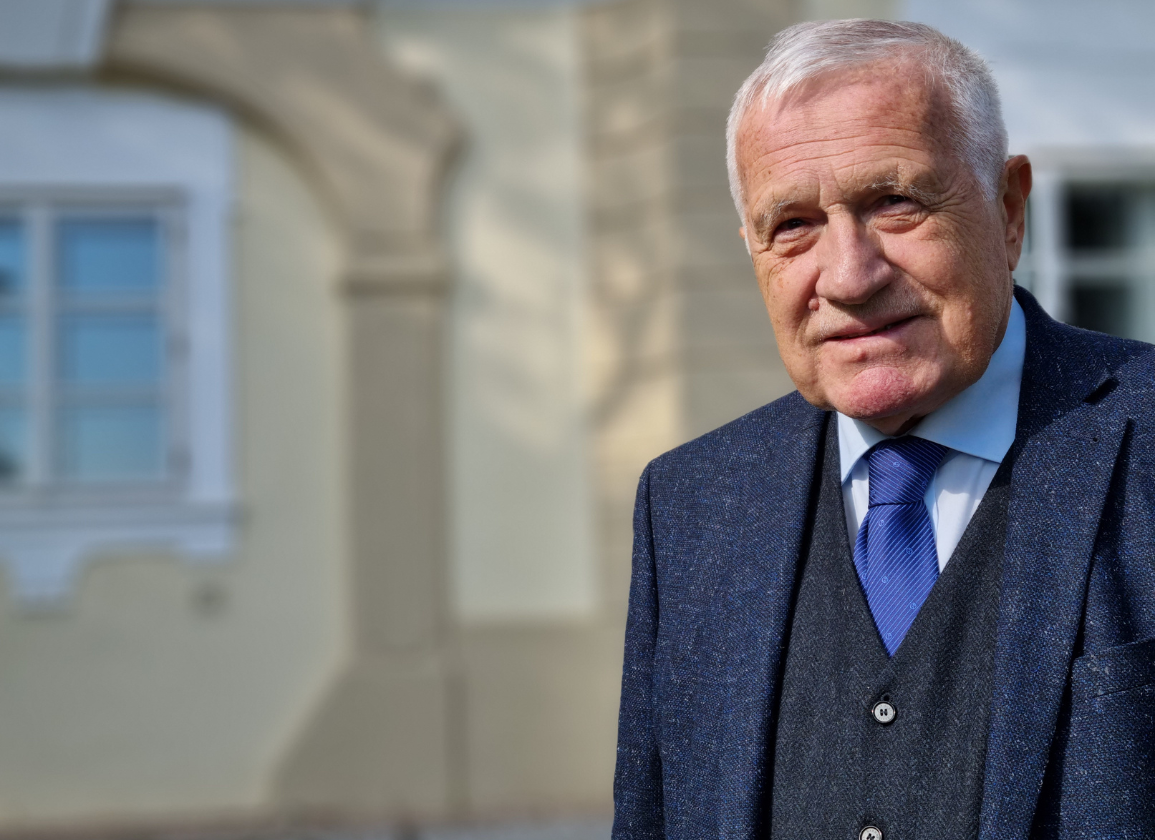
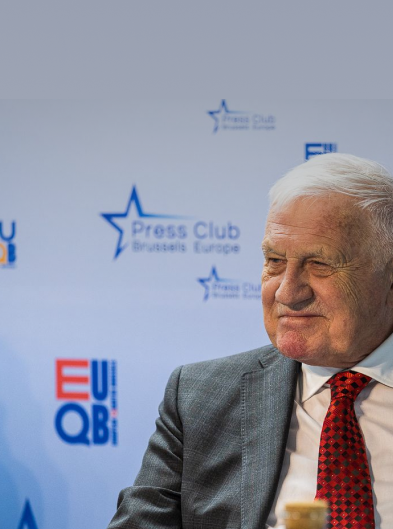
Former Czech President Václav Klaus appointed President of Clintel
Former Czech President Václav Klaus appointed President of Clintel The Climate Intelligence Group (Clintel) is honoured to announce that Professor Václav Klaus, the former President of the Czech Republic, from today on [...]
What’s Up With The Endangerment Finding Litigation?
Is the Court of Appeals going to delay the appeal about the Endangerment Finding, so that it can’t be decided by the Supreme Court until after Trump has left office? If that occurs, it would give a potential incoming Democratic administration in 2029 the ability to reverse course on the regulations, says Francis Menton.
No, New York Times, Climate Change Is Not Making Tennis Players Ill
In this article, climate researcher and writer Linnea Lueken examines claims by The New York Times that climate change is making tennis players ill during the French Open. She argues that player health, tournament infrastructure, and individual heat sensitivity provide more plausible explanations than climate change, and that a single heatwave does not constitute evidence of a long-term climate trend.
the latest IPCC report
The Frozen Climate Views of the IPCC
The Clintel Foundation has contributed to the publication of the book The Frozen Climate Views of the IPCC by far the most important work of its existence. In thirteen chapters we indicate per theme whether the IPCC has done its work well. In short, we conclude that the IPCC has made several serious mistakes.
ABOUT CLINTEL
Climate Intelligence Foundation
Climate Intelligence (Clintel) is an independent foundation informing people about climate change and climate policies. Clintel was founded in 2019 by emeritus professor of geophysics Guus Berkhout and science journalist Marcel Crok. Clintel’s main objective is to generate knowledge and understanding of the causes and effects of climate change as well as the effects of climate policy on the economy and the environment.

